The 5 Most Popular Supplements for Statin Side Effects, Reviewed By a Board-Certified Cardiologist — Only 1 Actually Addresses All Three
I'm Dr. Marcus Chen. I've practiced cardiology for 22 years, and the single most common complaint I hear from patients on statins is this: "My cholesterol numbers are fine, but my legs feel like they're full of concrete and I'm too exhausted to walk up the stairs."
I see 20-25 patients a week on atorvastatin, rosuvastatin, simvastatin, or pravastatin.
Almost every one of them is dealing with the same three things: muscle aches that don't go away, fatigue that wasn't there before they started the prescription, and a quiet worry that something is being depleted that they can't measure on a blood panel.
They're right to worry. Something is being depleted.
Statins lower cholesterol by blocking an enzyme called HMG-CoA reductase. That same enzyme is also required for your body to produce CoQ10, the molecule your muscles and your heart use to generate energy. When the statin shuts down one, it shuts down the other. That's not a controversial claim. It's well-documented biochemistry.
So when my patients ask me what actually works alongside their statin, I tell them the same three things:
- It has to replace the CoQ10 the statin is depleting — at a clinically relevant dose
- It has to support the same cholesterol pathway naturally, so the statin doesn't have to do all the work alone
- It has to be a format the patient will actually take daily for years — not another horse pill added to a pile
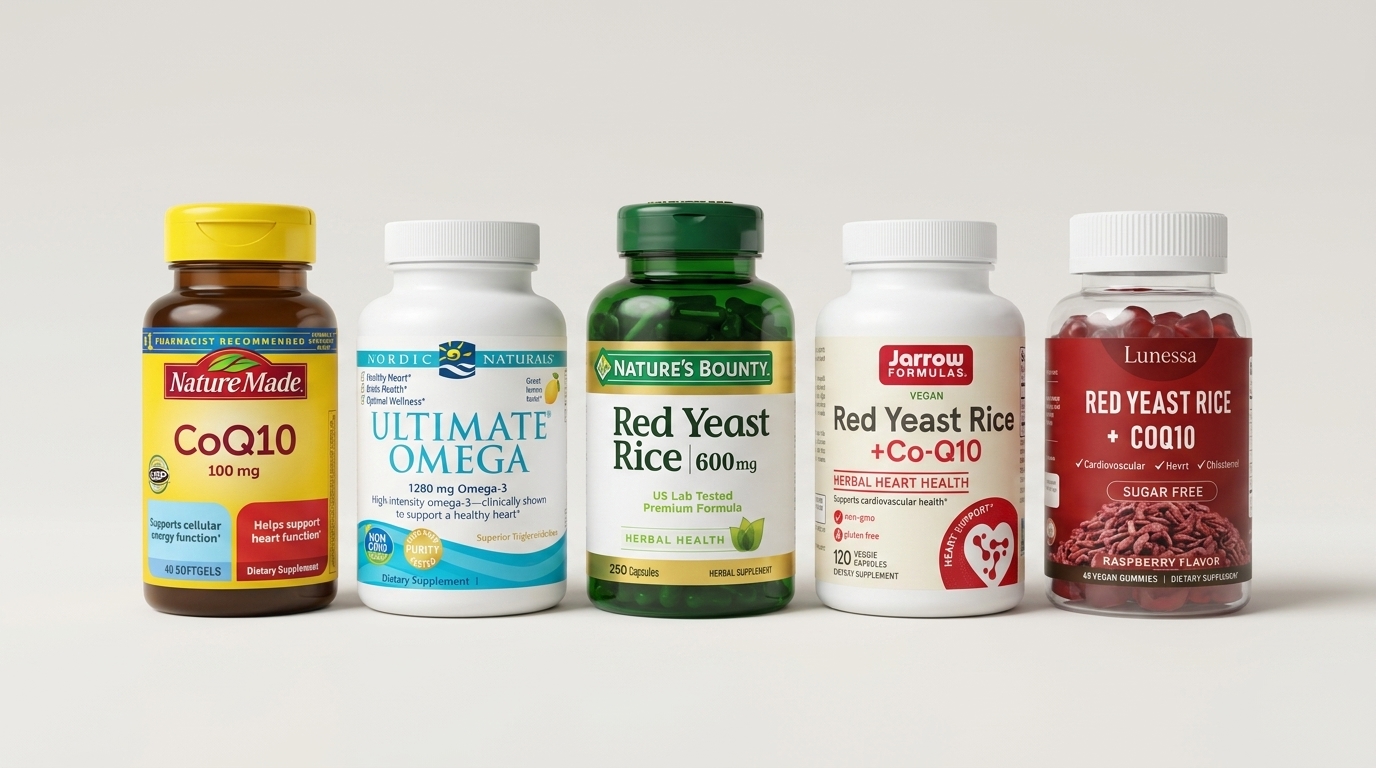
I reviewed the five most searched-for statin support supplements against those three criteria.
Only one passes all three.
#5 — Nature Made CoQ10 100mg
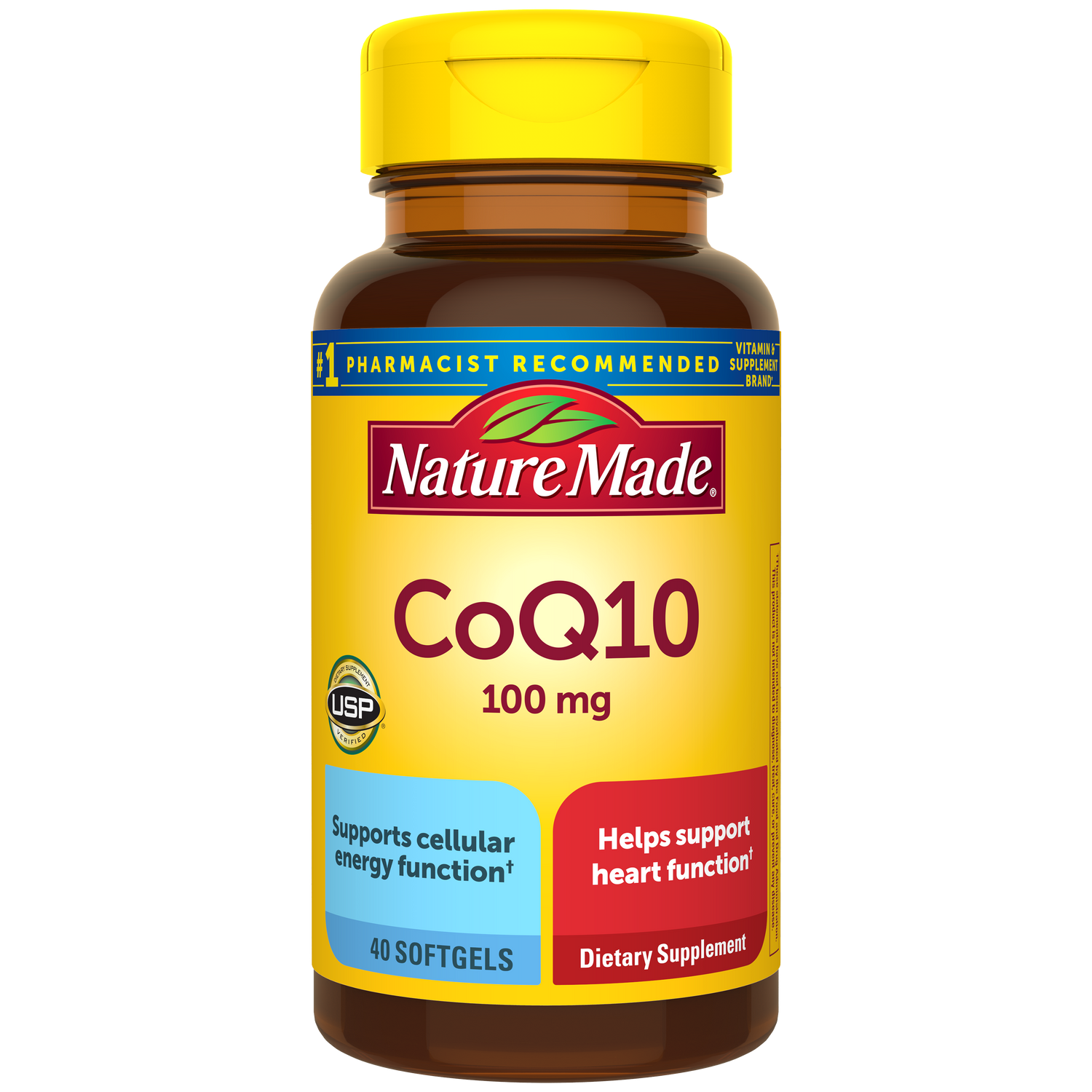
Nature Made CoQ10 100mg
- CoQ10 replacement: ❌ (dose too low)
- Cholesterol pathway support: ❌
- Daily compliance: ✅ (partial)
Nature Made CoQ10 is the most commonly purchased CoQ10 product in America, and the one most patients bring in when they ask me if they're "taking the right thing."
The problem is the dose. 100mg is a general wellness dose. For a patient whose statin is actively suppressing CoQ10 synthesis, the research suggests 200-300mg is the floor for meaningful muscle symptom relief. It's also the oxidized form — ubiquinone — which older patients convert poorly into the usable form. You end up absorbing a fraction of what's on the label.
The verdict: Right ingredient, wrong dose, wrong form. Patients who take it for three months and report "it didn't do anything" aren't imagining it. They're under-dosed.
#4 — Nordic Naturals Ultimate Omega
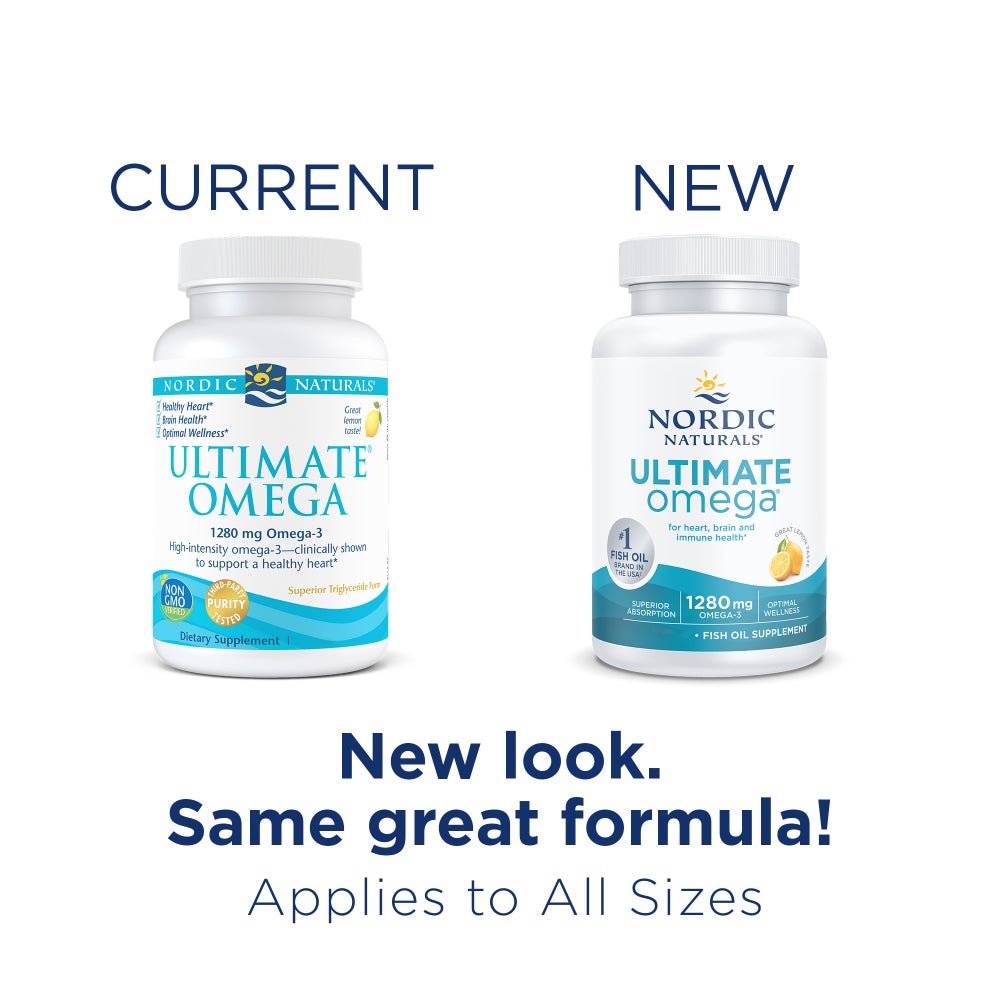
Nordic Naturals Ultimate Omega
- CoQ10 replacement: ❌
- Cholesterol pathway support: ❌
- Daily compliance: ❌ (large softgels)
Fish oil is the second most common supplement in the statin patient's medicine cabinet. It's a quality product, and I do recommend omega-3s for triglyceride management. But it does not belong in the "statin support" category, and it's the most common misconception I have to correct.
Fish oil does nothing to replace CoQ10. It does not work on the HMG-CoA reductase pathway. It does not address muscle pain, fatigue, or any of the statin-associated symptoms my patients come in complaining about. The softgels are also large enough that patients stop taking them within a few months of starting a multi-medication routine.
The verdict: Good product for the wrong job. Helpful for cardiovascular health in general. Useless for the specific problem statins create.
#3 — Nature's Bounty Red Yeast Rice
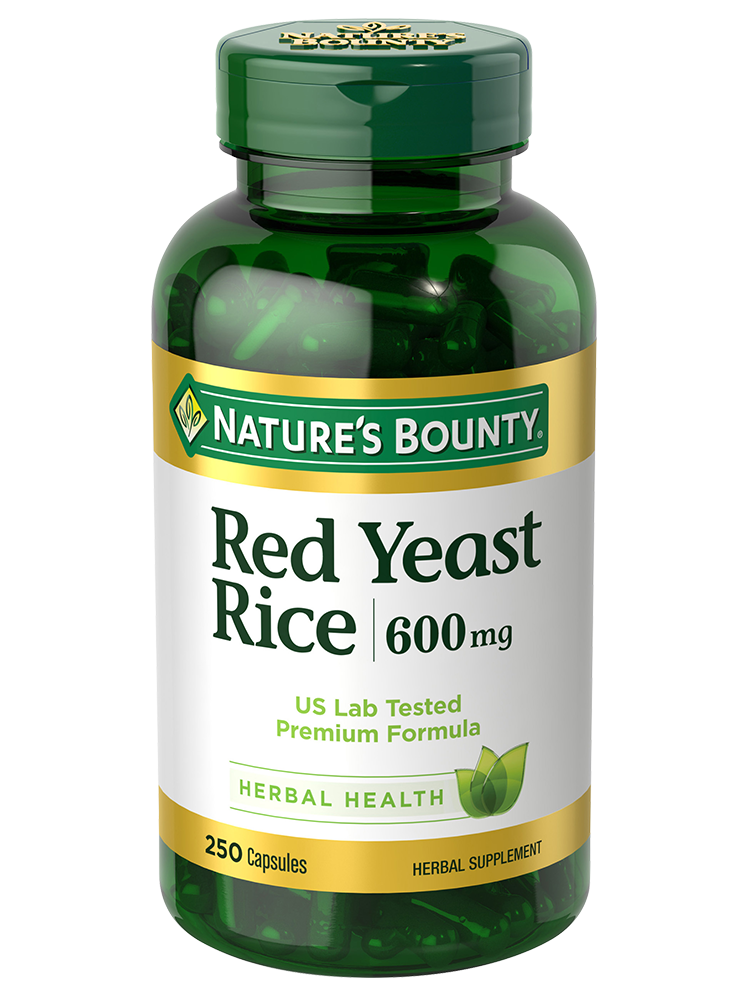
Nature's Bounty Red Yeast Rice 600mg
- CoQ10 replacement: ❌ (makes worse)
- Cholesterol pathway support: ✅
- Daily compliance: ❌ (capsule fatigue)
Red yeast rice is a fermented rice product that naturally contains monacolin K — the same active compound found in the prescription statin lovastatin. Taken on its own, it has a real effect on LDL. That's not in dispute, and Nature's Bounty is one of the most widely purchased plain red yeast rice products in the drugstore aisle.
Here's the problem nobody discusses. Red yeast rice works by inhibiting the exact same enzyme the patient's prescription statin is already inhibiting. That means it depletes CoQ10 the exact same way. Taking plain red yeast rice alongside a statin — without CoQ10 support — makes muscle symptoms worse, not better.
Patients who add plain red yeast rice without CoQ10 almost always report increased muscle aches within three to four weeks.
The verdict: Half a formula. The right pathway, but taken in isolation it doubles the exact depletion the patient is trying to solve.
#2 — Jarrow Formulas Red Yeast Rice + CoQ10
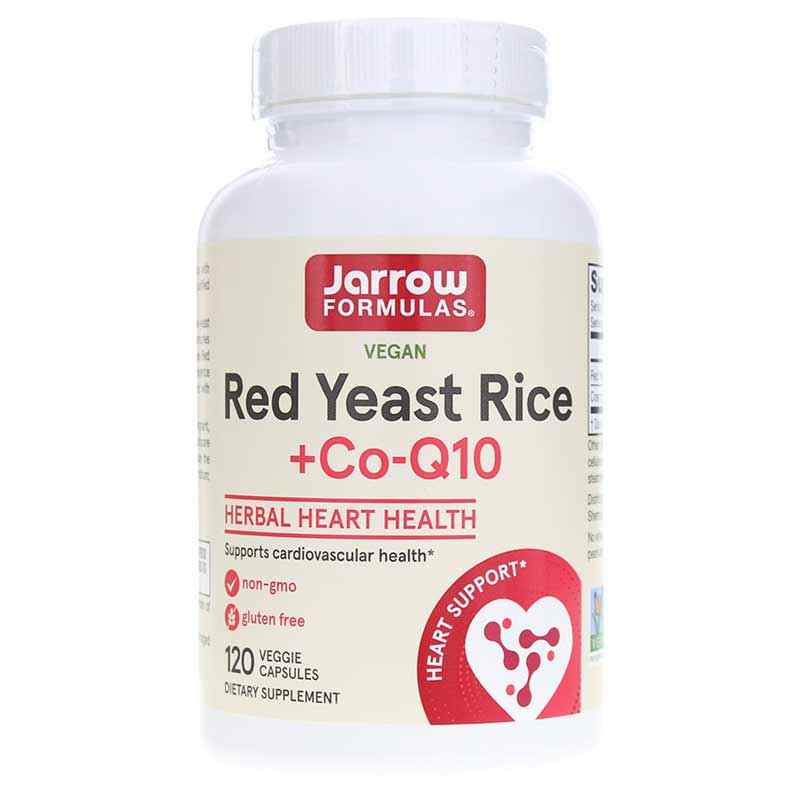
Jarrow Formulas Red Yeast Rice + CoQ10
- CoQ10 replacement: ✅
- Cholesterol pathway support: ✅
- Daily compliance: ❌ (two large veggie caps daily)
Jarrow is the closest thing to a working solution on this list — and until recently, it's what I recommended. Combining 1,200mg of red yeast rice with 100mg of CoQ10 in the same bottle is the correct mechanical logic. The CoQ10 replaces what the red yeast rice depletes. The red yeast rice supports the same pathway as the statin.
Where it falls short is the part nobody puts on a label: whether the patient actually keeps taking it. The full serving is two large veggie capsules per day, and for a statin patient already swallowing three to five other pills every morning, that's often the straw that breaks compliance. Patients on it for six months tell me it "worked for a while" — which almost always means they stopped taking it consistently around month three because the pill count got overwhelming on top of their statin, blood pressure medication, and whatever else they're managing.
The verdict: The right ingredients in the wrong delivery system. Good formula, bad adherence. The best supplement is the one the patient is still taking in month twelve.
#1 — Lunessa Red Yeast Rice + CoQ10 Gummies

Lunessa Red Yeast Rice + CoQ10 Gummies
- CoQ10 replacement: ✅ (clinical dose)
- Cholesterol pathway support: ✅
- Daily compliance: ✅ (gummy format)
Lunessa is the only product on this list that gets all three criteria right, and the reason is straightforward: it was designed for statin patients specifically, not adapted from a general wellness formula.
CoQ10 replacement: Delivers CoQ10 at the dose range the research actually supports for statin-associated muscle symptoms — not the wellness-aisle 100mg that does nothing for a depleted patient. This is the piece that makes the muscle aches stop.
Cholesterol pathway support: Contains standardized red yeast rice with a meaningful monacolin K level, the natural form of the same active compound in lovastatin. Paired with the CoQ10 in the same gummy, it supports the cholesterol pathway without creating the depletion problem that red yeast rice causes when taken alone.
Daily compliance: Raspberry-flavored gummy. Sugar free. Two a day. This is the piece every other product on this list ignores. A cardiology patient is already swallowing three to five pills every morning. The supplement they'll actually take in year two is the one that doesn't feel like medicine.
All three criteria. Two gummies a day. No prescription.
The verdict: This is what I recommend to my patients now. It's the only option on the market that closes the full mechanism loop of statin-induced depletion instead of solving one piece and creating another problem downstream.
Side-by-Side Comparison
| Product | CoQ10 Replacement | Cholesterol Pathway | Daily Compliance | Score |
|---|---|---|---|---|
| Lunessa | ✅ | ✅ | ✅ | 3/3 |
| Jarrow Red Yeast Rice + CoQ10 | ✅ | ✅ | ❌ | 2/3 |
| Nature's Bounty Red Yeast Rice | ❌ (worsens) | ✅ | ❌ | 1/3 |
| Nature Made CoQ10 100mg | ❌ (under-dosed) | ❌ | ✅ | 0/3 |
| Nordic Naturals Ultimate Omega | ❌ | ❌ | ❌ | 0/3 |
What Patients Report
I've recommended Lunessa to roughly 50 patients over the past several months. The feedback pattern is consistent enough that I now tell every new patient what to expect:
First two weeks: Most patients report nothing obvious. A handful notice their afternoon fatigue is less severe by day 10.
Weeks 3-4: Muscle aches in the legs and lower back start fading. Patients who were using magnesium or acetaminophen for nightly calf pain report cutting back on both.
Weeks 5-8: Energy returns to a pre-statin baseline for most patients. This is the phase where they stop calling the office about side effects.
Month 3 and beyond: Stable. Patients stop tracking symptoms. Cholesterol panels at the 3-month check-in typically show a modest additional drop in LDL, which I attribute to the monacolin K pulling in the same direction as their prescription.
One patient — a 67-year-old former high school basketball coach on rosuvastatin for four years — told me he'd stopped coaching clinics because he couldn't walk the sideline without his calves cramping. He called me at week six to ask if it was okay that he'd just run two miles. He hadn't run since starting the statin.
That kind of feedback has become routine.
Why I Don't Recommend The Others Anymore
For most of my career, if a statin patient came in with muscle pain, I'd tell them to try plain CoQ10 and see if it helped. Half the time it did something. Half the time the patient came back four months later saying they weren't sure.
The reason plain CoQ10 is inconsistent isn't that CoQ10 doesn't work. It's that the dose on the bottle is almost always too low, and the patient isn't addressing the other side of the problem — the fact that the cholesterol pathway is being held open by a single prescription doing all the work alone.
Once I started recommending a formula that hits both sides at once, in a format my patients actually keep taking past the ninety-day mark, the muscle pain conversations in my office essentially stopped.
Frequently Asked Questions
Q: Can I take Lunessa with my statin?
A: Yes. Lunessa is formulated specifically to be taken alongside atorvastatin, rosuvastatin, simvastatin, pravastatin, and other statins. It does not interfere with the medication's cholesterol-lowering effects. As always, let your prescribing doctor know what supplements you're taking.
Q: How quickly will I notice a difference?
A: Most patients notice reduced afternoon fatigue in the first two weeks. Muscle aches typically start fading around weeks three to four. Full baseline energy usually returns by weeks five to eight.
Q: Do I need a prescription?
A: No. Lunessa is an over-the-counter supplement.
Q: Can I take Lunessa instead of my statin?
A: No, and you shouldn't try. If your doctor prescribed a statin, there's a cardiovascular reason for it. Lunessa is designed to support your body alongside the prescription, not replace it. Never stop a statin without your cardiologist's guidance.
Q: What if it doesn't work for me?
A: Lunessa is backed by a money-back guarantee. If you don't see improvement, you can return it.
A Closing Note From The Author
If you're on a statin and you've been living with muscle pain, afternoon exhaustion, or the quiet sense that your body isn't running on what it used to — the single most important thing to understand is that your statin is not just lowering your cholesterol. It's also lowering the molecule your muscles and your heart use to make energy. That depletion is real, it's mechanical, and it's solvable.
Of the five products I reviewed, four of them solve one piece of the problem. One of them solves all three.
That's the difference.
— Dr. Marcus Chen, MD
Board-Certified Cardiologist